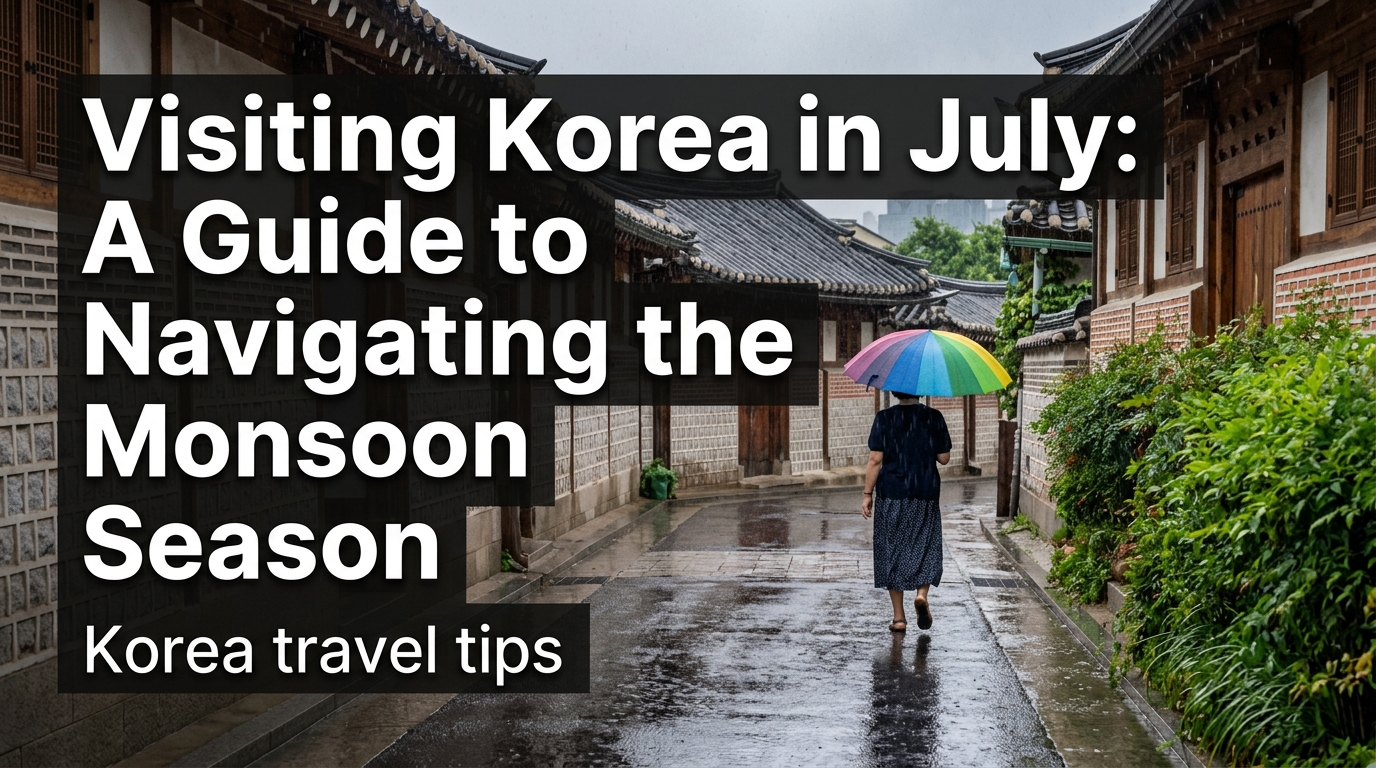
Navigating the 2026 Monsoon Season in Korea
If you are visiting South Korea this July, you may have noticed the humid, rainy weather. The 2026 monsoon season, known locally as Jangma, began later than historical averages—starting in late June for Jeju and early July for the mainland. As of mid-July, central regions, including Seoul, are experiencing intermittent heavy rainfall and high humidity. While this weather can be disruptive, it does not have to ruin your trip. By staying informed and flexible, you can still enjoy the unique charm of Korea during the summer.
Essential Safety Protocols
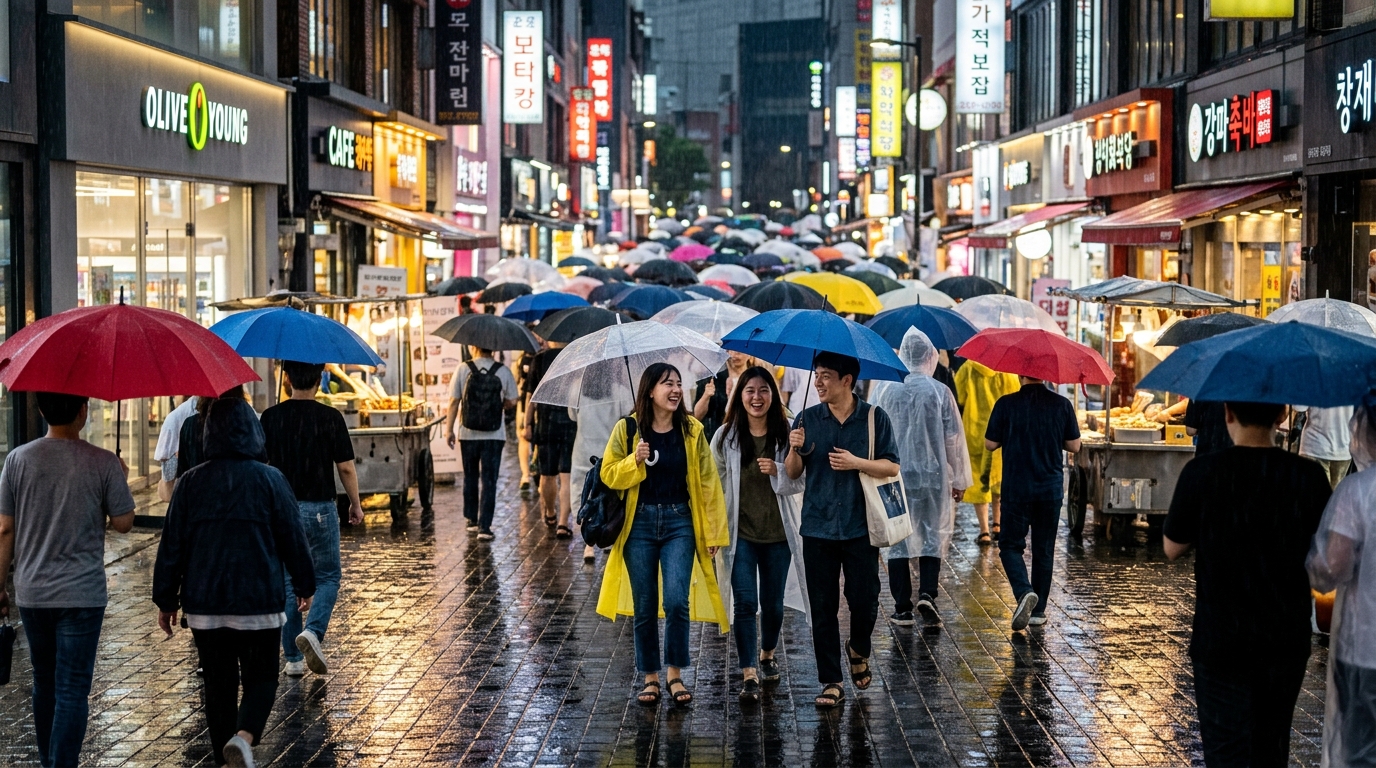
Your safety is the top priority during the monsoon. Heavy rain can lead to localized flooding or landslide risks in mountainous areas. Always check official sources before heading out. The Korea Meteorological Administration (KMA) provides the most accurate, real-time weather forecasts and emergency alerts in English.
- Monitor KMA Alerts: Stay updated via the official KMA portal.
- Avoid Valleys and Rivers: During periods of heavy rain, avoid hiking in valleys or near riverbanks, as water levels can rise rapidly without warning.
- Emergency SMS: If you have a local SIM or roaming, you may receive emergency alerts. These are official warnings; follow the guidance provided in them.
Transportation Resilience
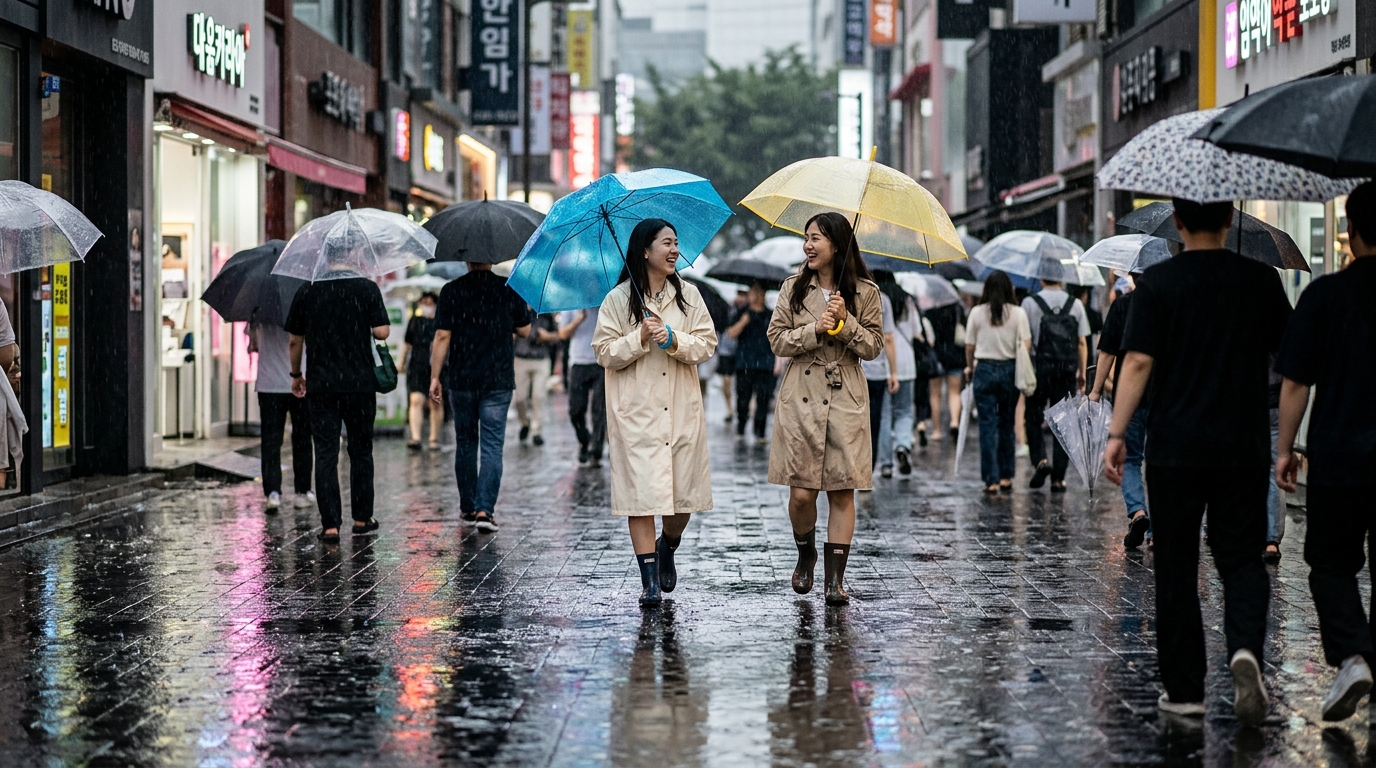
Public transportation in Seoul is generally robust, but heavy rain can cause delays. Avoid relying on taxis during peak downpours, as demand often exceeds supply. The subway remains your best bet for navigating the city efficiently.
- Use Local Apps: Rely on Naver Map or KakaoMap rather than generic international map apps. These local platforms provide the most accurate, real-time status for subway lines and bus routes.
- Subway vs. Bus: The Seoul subway system is the most reliable way to travel during heavy rain, as it remains largely unaffected by surface traffic and flooding.
Flexible Indoor Itineraries
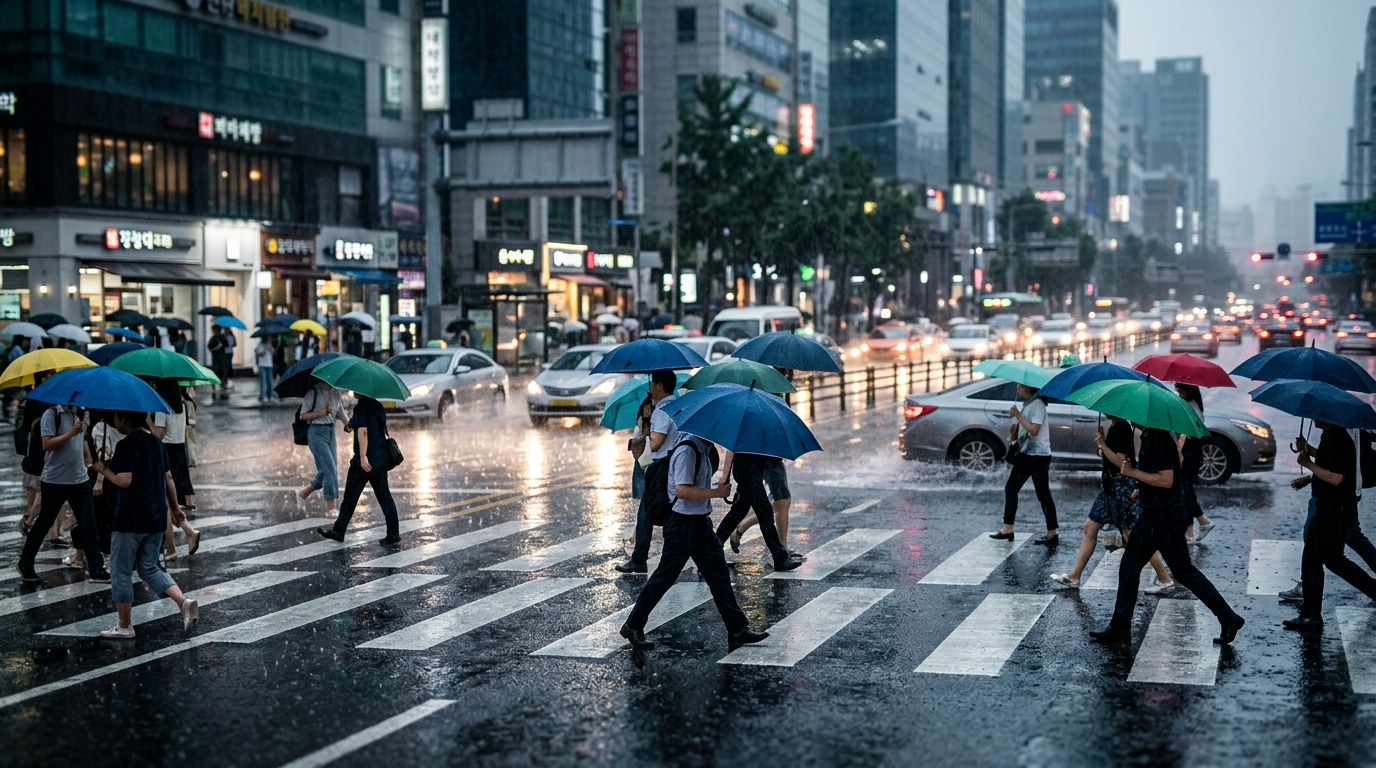
When the rain starts, shift your plans to indoor experiences. Seoul offers a wealth of culture that is perfectly suited for a rainy day:
- Museums and Galleries: Spend the day at the National Museum of Korea or the various art galleries in Samcheong-dong.
- Library Culture: Visit iconic indoor spaces like the Starfield Library in COEX Mall, which offers a stunning, dry environment for reading and relaxing.
- Café Hopping: Korea’s café culture is world-class. Use the rain as an excuse to explore themed cafés in neighborhoods like Seongsu-dong or Ikseon-dong.
Packing for Humidity and Rain
Humidity is the silent challenge of a Korean July. Pack lightweight, quick-dry fabrics rather than heavy denim. A sturdy, wind-resistant umbrella is essential, though you can easily purchase high-quality ones at any convenience store (like GS25 or CU) if yours breaks. Consider bringing a small hand-held fan, which is a staple for locals navigating the humid subway stations.
Common Monsoon Mistakes
Many travelers make the mistake of ignoring localized flood warnings or assuming that all outdoor tourist sites operate as normal. Another frequent error is wearing non-breathable footwear, which can lead to discomfort during high-humidity days. Always prioritize waterproof, comfortable walking shoes. Do not underestimate the intensity of the rain; even short walks can result in soaked clothing if you are not prepared with proper rain gear.
Final Travel Checklist
- Download Naver Map or KakaoMap.
- Bookmark the KMA English website.
- Pack a lightweight, quick-dry rain jacket.
- Keep a portable power bank for your phone (essential for checking maps).
- Have a 'Plan B' indoor activity ready for every outdoor day.
- Carry a small waterproof bag for your electronics.
Frequently Asked Questions
Is it safe to travel during the monsoon?
Yes, provided you follow local weather alerts and avoid high-risk areas like mountains or rivers during heavy rain.
What should I do if my flight is delayed?
Contact your airline directly. Most major carriers provide real-time updates via their apps or websites. Check the Incheon Airport website for general flight status updates.
How do I get emergency alerts?
The KMA website is your best resource for official, real-time safety data. If you have a local SIM card, you will also receive emergency broadcast messages directly to your phone.
Are major tourist sites closed during the rain?
Most indoor museums and malls remain open. Outdoor palaces may restrict access to certain areas if the ground becomes unsafe due to heavy rainfall.
Should I cancel my trip to Korea in July?
Not necessarily. July is a vibrant time to visit, and with the right preparation, the rain can actually provide a unique, moody perspective of the city. Many travelers find the atmosphere of Seoul during the rain to be quite charming and cozy.
What is the best way to handle wet clothes?
Most hotels and guesthouses in Korea are equipped with laundry facilities or nearby coin-operated laundromats. If your clothes get soaked, utilize these to keep your wardrobe fresh and dry.
Frequently Asked Questions
Is it safe to travel during the monsoon?
Yes, provided you follow local weather alerts and avoid high-risk areas like mountains or rivers during heavy rain.
What should I do if my flight is delayed?
Contact your airline directly. Most major carriers provide real-time updates via their apps or websites.
How do I get emergency alerts?
The KMA website is your best resource for official, real-time safety data.
Are major tourist sites closed during the rain?
Most indoor museums and malls remain open. Outdoor palaces may restrict access to certain areas if the ground becomes unsafe.
Should I cancel my trip to Korea in July?
Not necessarily. July is a vibrant time to visit, and with the right preparation, the rain can actually provide a unique, moody perspective of the city.
What is the best way to handle wet clothes?
Most hotels and guesthouses in Korea are equipped with laundry facilities or nearby coin-operated laundromats. If your clothes get soaked, utilize these to keep your wardrobe fresh and dry.


No comments:
Post a Comment