Researched in Korea — We check Korean-language local sources and direct official information, then explain the practical details in clear English.
If you have visited a Korean convenience store, you know the "ramyeon wall"—a massive display of dozens of noodle varieties that can be overwhelming for any international traveler or buyer. For those browsing Amazon, the challenge isn't just availability; it is selecting the right product without falling into the trap of buying a heat level that is too intense or a preparation style that doesn't match your expectations. By understanding the core distinctions between major brands and their intended usage, you can bring an authentic piece of Korean food culture into your own kitchen.
Understanding the Categories: Soup vs. Dry
Korean instant noodles fall into two distinct consumption experiences. Soup-based ramyeon is the traditional standard, designed for a comforting, meal-in-a-bowl approach. These are intended to be cooked with specific ratios of water to maintain the integrity of the beef or vegetable-based broth. For many, the joy of ramyeon is the slurping of the hot, seasoned liquid, which often serves as a quick but satisfying meal during a busy workday. 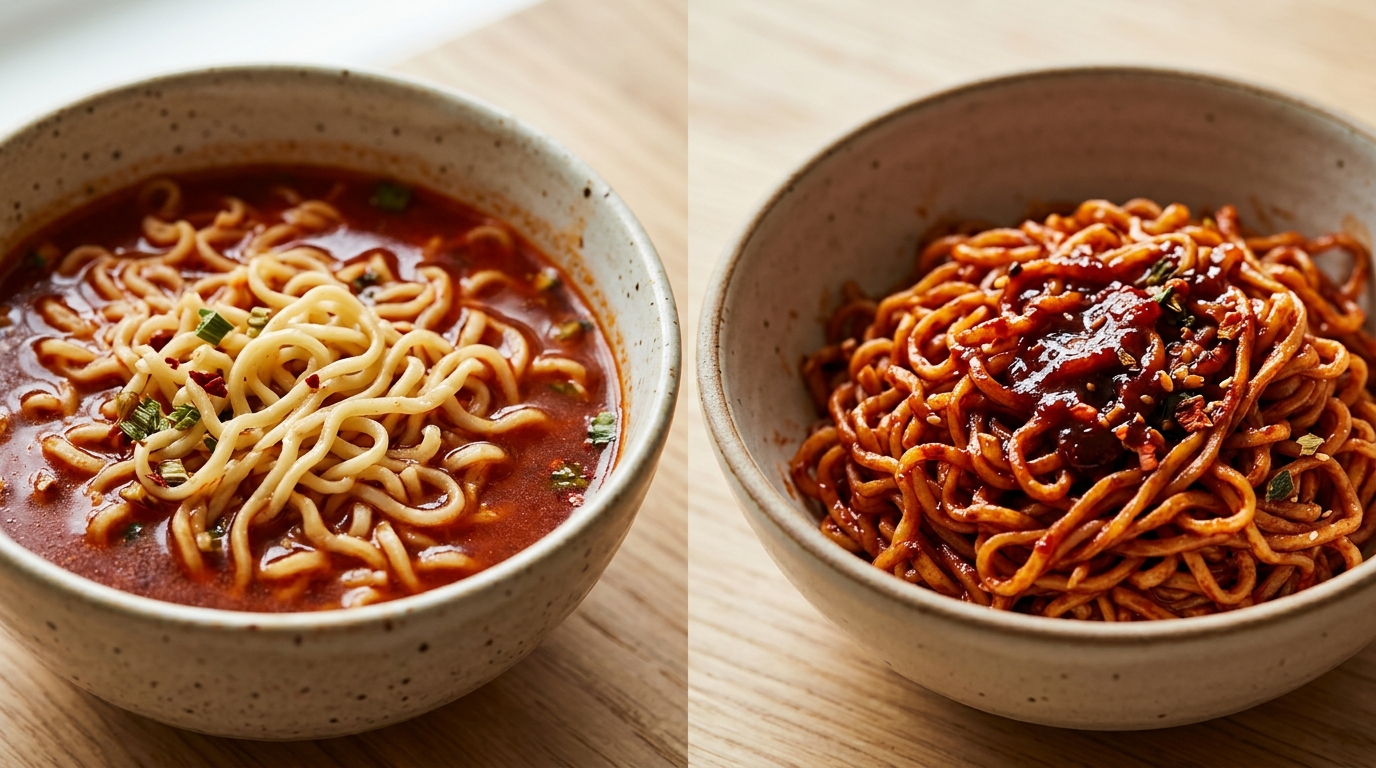
Conversely, stir-fry noodles, or bokkeum-myeon, are prepared by boiling the noodles, draining the water, and coating them in a highly concentrated sauce. These noodles have a much higher viscosity and are significantly more intense in flavor and spice concentration. Confusing these two categories often leads to disappointment for beginners who expect a broth-based meal but receive an extremely concentrated spicy sauce. When shopping on Amazon, look for keywords like "Stir-fry," "Liquid Soup," or "Powder Soup" to determine the category. Soup noodles are meant to be a full, hydrating meal, while stir-fry noodles are designed as an intense, singular flavor experience. If you accidentally attempt to turn a stir-fry noodle into a soup, you will find the flavor profile thin and the texture of the noodles lack the necessary sauce adherence that makes them palatable.
Nongshim Shin Ramyun: The Gold Standard
Shin Ramyun is widely considered the benchmark for Korean spicy soup-based ramen [Nongshim Official Website]. Its flavor profile is defined by a deep, savory beef broth balanced with bold chili flakes and aromatic shiitake mushrooms. It is the "default" choice in many Korean households because of its reliable spice profile—it is spicy by Western standards, but within the mainstream spectrum for Korean daily consumption. The noodles are thick, chewy, and designed to withstand several minutes of boiling without turning mushy. When preparing Shin Ramyun, maintain the recommended water volume; adding too much water will dilute the base notes of the garlic and pepper. For those who find it slightly too intense, using the seasoning packet sparingly or adding vegetables can help modulate the heat. The longevity of this brand in the market is testament to its consistency; whether you are a novice or a seasoned eater, it remains the standard by which all other spicy beef-base noodles are measured in local grocery stores.
Ottogi Jin Ramen: The Balanced Comfort Choice
Ottogi is the primary competitor to Nongshim, and their Jin Ramen series is celebrated for its versatility [Ottogi Official Website]. Unlike some brands that only offer a one-size-fits-all spice level, Jin Ramen offers distinct "Mild" and "Spicy" versions. This makes it an ideal entry point for travelers or buyers who want to experience the chewy, thick Korean noodle texture without being overwhelmed by intense heat. The "Mild" version preserves the classic beef-vegetable base flavor without the addition of heavy chili oil or extra pepper powder, making it a reliable staple for children or those with a low tolerance for capsaicin. The "Spicy" version provides a punchy, energetic flavor that is perfect for those who want a classic Korean ramyeon experience that is slightly more accessible than the high-intensity heat profiles of other market leaders. When choosing between Mild and Spicy, consider that the base broth is identical; the difference lies solely in the red pepper seasoning packet, giving you full control over your final bowl.
Samyang Buldak Carbonara: The Viral Stir-fry Experience
Samyang’s Buldak series, particularly the Carbonara flavor, represents the modern "challenge" trend in Korean food culture. Unlike the soup-based options, the Buldak line is purely a stir-fry style. The Carbonara version is specifically designed to provide the signature Samyang spice while tempering it with a creamy, cheese-based sauce powder. It is not designed to be eaten as a soup; attempting to add excess water will compromise the intended texture and dilute the creamy sauce. 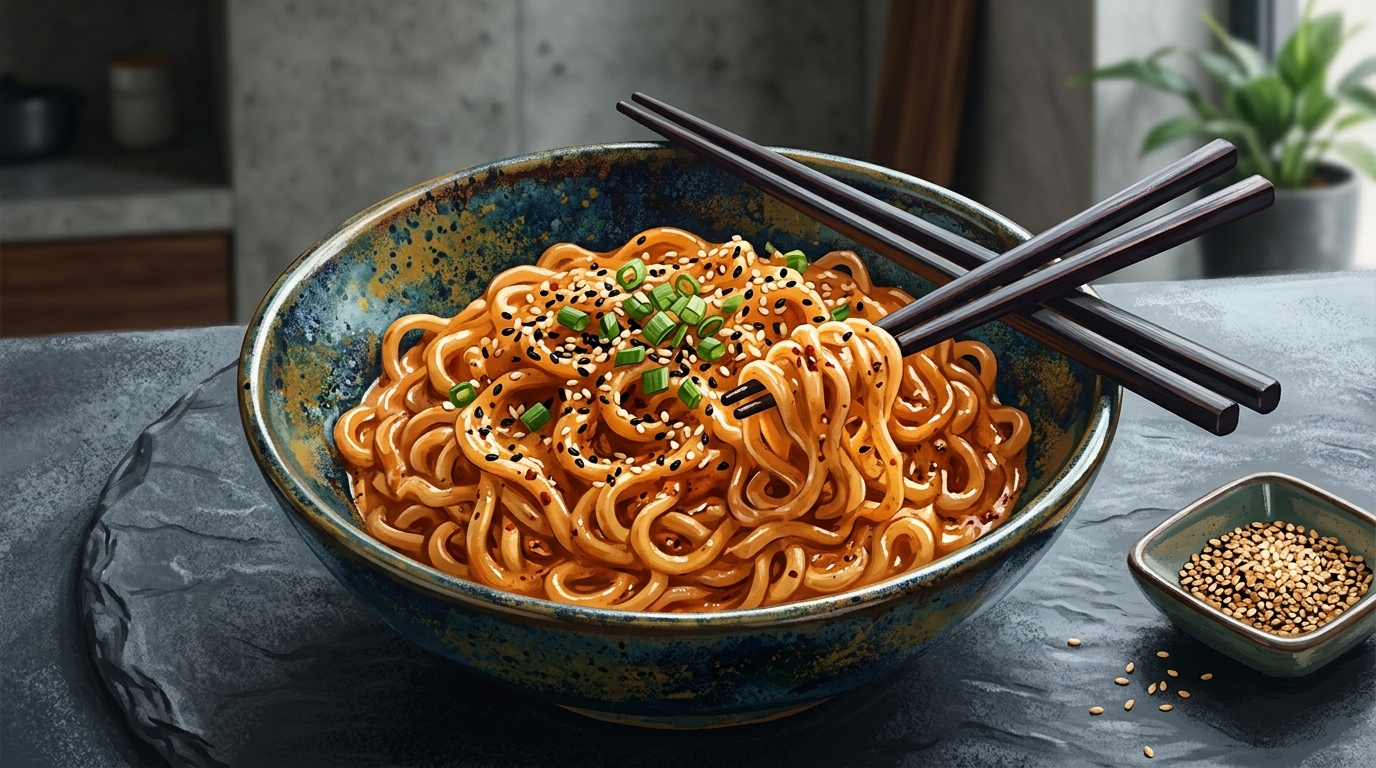
The key to success with Buldak is the preparation: leave about 5–8 tablespoons of water in the pan after boiling the noodles, add the sauce, and toss over low heat until the liquid reduces into a thick, glossy coat. The Carbonara flavor has gained massive international popularity precisely because it bridges the gap between the "extreme heat" trend and a palatable, creamy flavor profile, making it a gateway product for many who were initially hesitant about trying spicy Korean noodles. It is crucial to remember that Buldak noodles are significantly higher in calories and sodium density compared to broth-based ramyeon, reflecting their status as a specialized flavor experience rather than a daily sustenance staple.
Buyer's Guide: Spice Tolerance & Usage
When selecting your noodles on Amazon, categorize them by your heat tolerance and your desired meal type. Using our guide to navigate the vast selection available online will ensure you get a product that fits your pantry needs. 
| Product | Type | Heat Level | Best For |
|---|---|---|---|
| Jin Ramen (Mild) | Soup | Low | Beginners |
| Shin Ramyun | Soup | Medium-High | Classic Fans |
| Buldak Carbonara | Dry | High (Creamy) | Trend Seekers |
Always verify the "Multi-pack" options on Amazon, as flavor profiles between single packs and bulk boxes remain consistent. When buying, check for the original Korean packaging versus exported versions, as the latter sometimes have lower sodium or different dehydration processes. Always ensure you are buying the intended noodle style to avoid improper preparation methods. Using the wrong technique—such as draining soup noodles—will result in an incredibly salty, unpalatable experience. Check the back of the packaging for the "water amount" in milliliters; precision is what makes these noodles consistent. If you are ordering for the first time, start with a 5-pack rather than a bulk carton to ensure the specific spice level suits your personal palate.
Upgrade Your Ramen Like a Local
In Korea, convenience store employees and residents rarely eat ramen exactly as it comes out of the package. Adding ingredients is standard practice to balance the sodium and spice. For broth-based noodles like Shin Ramyun, adding a slice of processed cheese creates a richer, smoother broth. For all types, a soft-boiled egg adds protein and acts as a buffer against the heat of the chili oils. 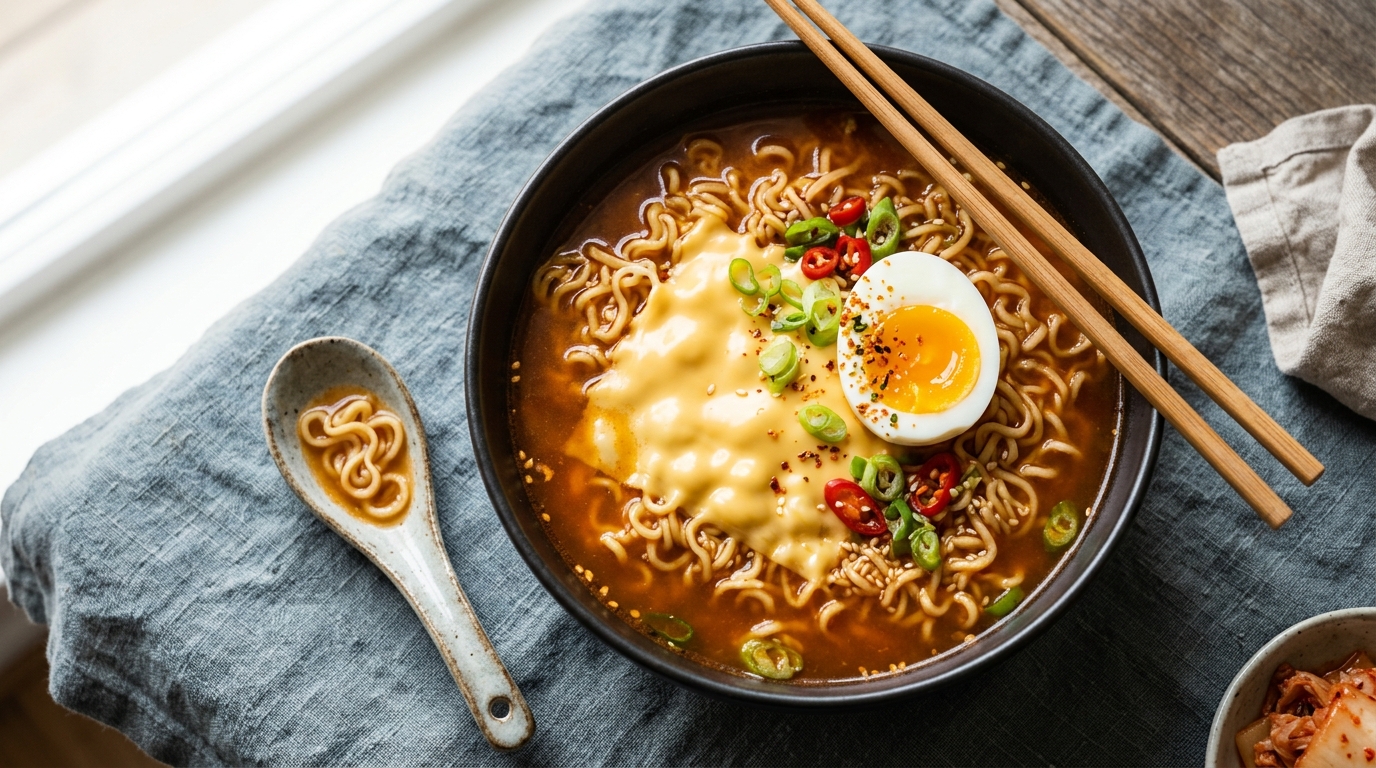
Other traditional upgrades include adding fresh scallions, minced garlic, or even a handful of bean sprouts to add crunch and fresh flavor to the salty broth. If you are preparing your noodles at home, experimenting with these simple additions is the fastest way to customize your dining experience. For more on how to navigate the local food scene, check out our guide on must-have apps for Korea to help locate local grocery stores. If you need help managing your purchases while traveling, consider reading our guide on Seoul subway luggage storage to keep your hands free while hunting for the best snacks. These additions are not just culinary preferences; they are practical ways to turn a singular snack into a nutritionally rounded meal that can sustain you through a long day of sightseeing or work.
Frequently Asked Questions
Is Buldak ramen just for the spicy challenge?
While the original Buldak line gained fame for the "Fire Noodle Challenge," the Carbonara and Cheese versions are balanced with creamy ingredients, making them more approachable. They provide a unique blend of high spice and rich texture that isn't just about heat, but flavor complexity. Many locals use these as a base to mix with other ingredients like sausages or cabbage to mellow the intensity, transforming it from a dare into a genuine culinary option.
What is the difference between Jin Ramen Mild and Spicy?
The difference is strictly in the chili concentration. The Mild version is designed for those who want the classic savory beef-vegetable broth without the aggressive spicy finish. The Spicy version contains a higher concentration of red chili powder in the seasoning packet. Both maintain the same noodle structure and aromatic quality that have made Ottogi a staple in Korean households.
Can I add cheese to Shin Ramyun?
Yes, it is a common way to eat it in Korea. Adding a slice of American-style processed cheese into the boiling broth while the noodles are finishing provides a rich, mellow flavor that effectively balances the spice, creating a creamy contrast to the sharp chili base. This technique is often referred to in Korea as "Cheese Ramen" and can be found on the menu of many casual noodle shops.
Which ramen is best for someone who cannot eat spicy food?
Jin Ramen Mild is the safest entry point. It captures the essential texture and flavor profile of a classic Korean meal without the burning spice intensity associated with Shin Ramyun or Buldak, providing a gentle introduction to the category. If even this is too much, reducing the amount of seasoning powder used in the water is a common trick used by those sensitive to salt and heat.
How do I know if I'm buying the right type of ramen?
Always look for the preparation instructions on the back of the package. If it mentions "draining water" or "stir-frying," it is a dry noodle. If it gives a specific milliliter measurement for water, it is a soup noodle. Checking the Amazon product images for these details before purchasing is the most reliable way to avoid the wrong style. Additionally, verify that the packaging language is in Korean, as localized versions for other markets may have altered recipes to comply with different food safety standards or local tastes.
Final Checklist for Buying Korean Ramen
- Check the packaging for the "Soup" vs. "Stir-fry" distinction before adding to cart.
- Ensure your chosen spice level matches your tolerance—start with Mild if unsure.
- Verify if the product is an international export or original Korean version, as these can vary slightly.
- Prepare extra toppings like cheese, eggs, or scallions for a balanced, local-style meal.
- Measure your water precisely using the milliliter guidelines on the packet to ensure the broth density is correct.
Sources
- Nongshim Official Website - Authenticated manufacturer details for Shin Ramyun.
- Ottogi Official Website - Authenticated manufacturer details for Jin Ramen.


No comments:
Post a Comment