The 2026 Summer Paradox: Monsoon vs. Heat Wave
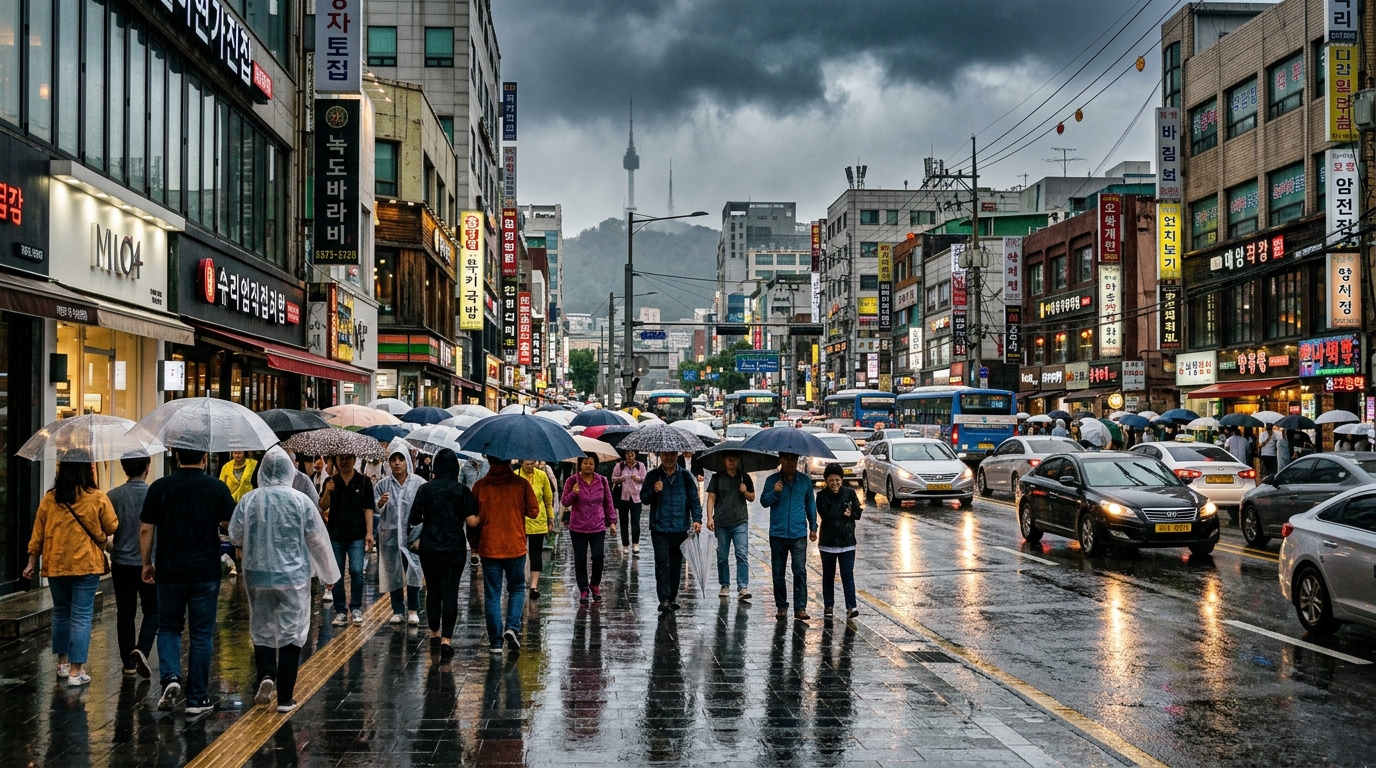
Visiting South Korea in July presents a unique challenge: the volatile combination of the monsoon season (jangma) and intense, record-breaking heat waves. As of July 2026, the Korea Meteorological Administration (KMA) has reported that the monsoon front is bringing heavy precipitation to central regions, while the interaction of North Pacific and Tibetan high-pressure systems is triggering extreme heat alerts. Understanding this cycle is essential for a safe and enjoyable trip.
For the uninitiated traveler, the Korean summer can feel like a sudden shift between a sauna and a tropical storm. The humidity levels often exceed 80%, making the air feel heavy and thick. However, with the right strategy, you can experience the vibrant energy of the country without succumbing to the weather. This guide breaks down how to navigate the 2026 climate patterns effectively.
Understanding the 2026 Emergency Heat Wave System
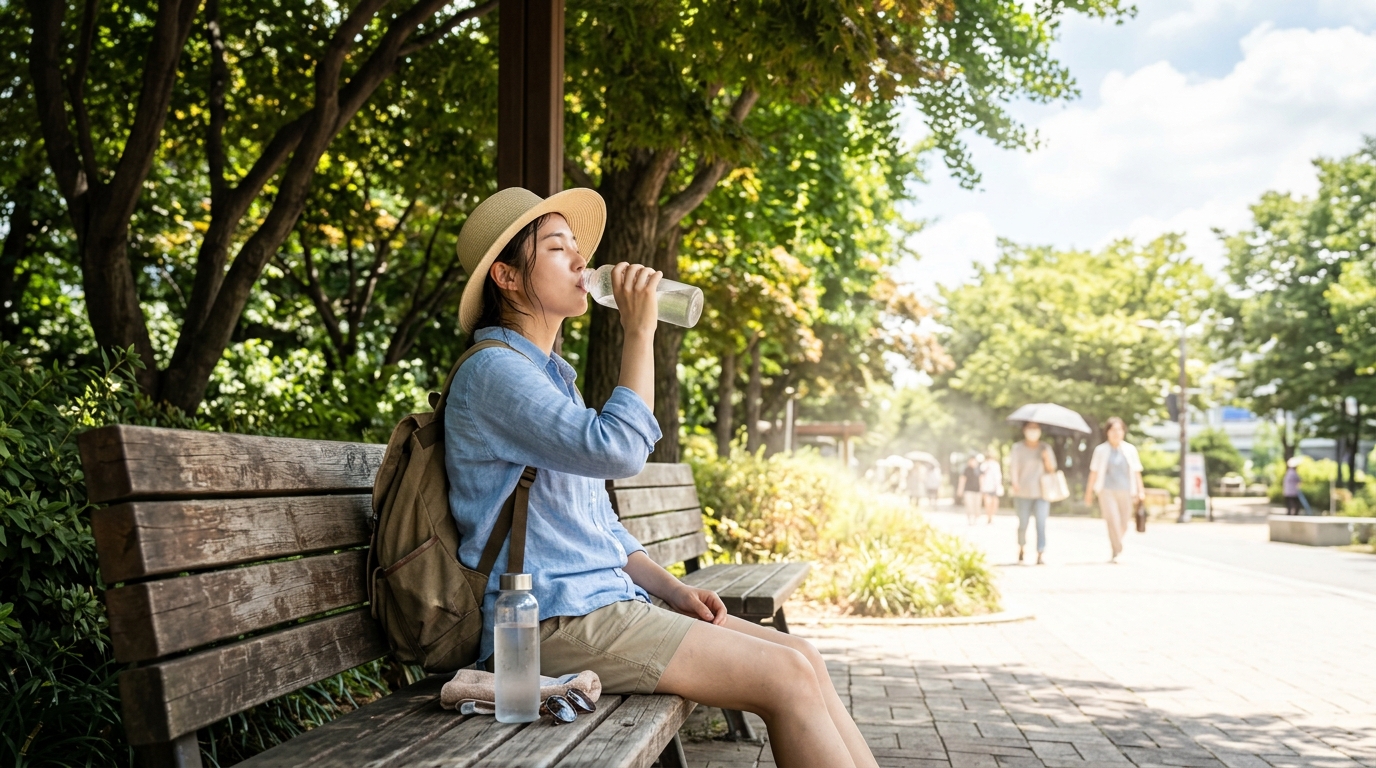
This year, authorities have implemented a more rigorous emergency response. It is vital to distinguish between standard advisories and the new Emergency Heat Wave Warning. The latter is triggered when perceived temperatures hit 38°C or actual temperatures reach 39°C. When these alerts are active, the government strongly advises avoiding all outdoor activities during peak hours (typically 12:00 PM to 5:00 PM).
The intensity of the 2026 heat wave is unprecedented, leading to a heightened state of awareness across major cities like Seoul, Busan, and Daegu. These warnings are not merely suggestions; they are designed to protect public health against heat-related illnesses. If you find yourself in the middle of an active warning, prioritize staying indoors and avoiding strenuous physical exertion.
How to Receive Real-Time Alerts
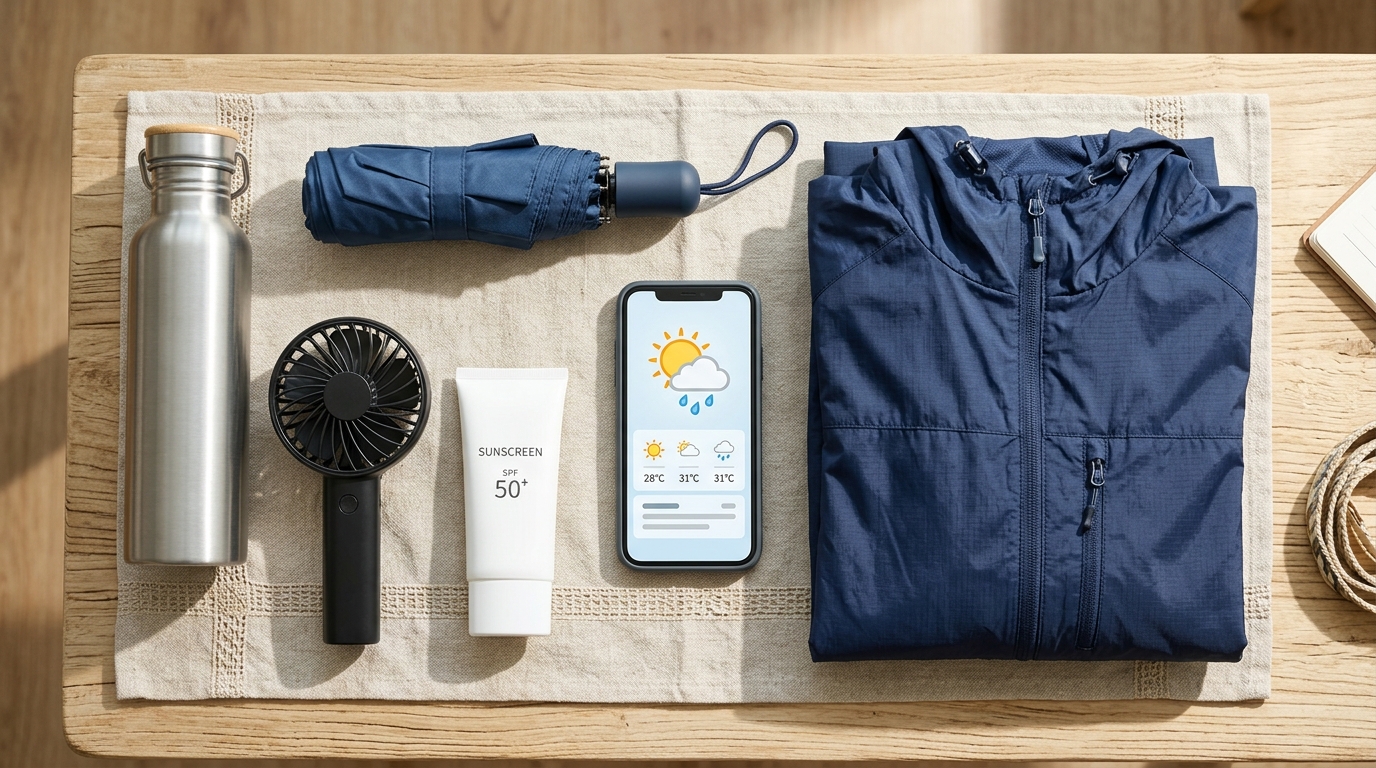
Tourists should not rely solely on hotel Wi-Fi. Ensure you have the Korea Meteorological Administration (KMA) app installed or monitor their official website. Emergency disaster text messages are broadcast to all mobile devices connected to local towers—if you receive a loud alert on your phone, read it immediately, as it contains location-specific safety instructions. These alerts are often sent in both Korean and English for convenience, providing critical updates on flash flood risks or extreme heat zones.
Strategic Planning: Rainy Day vs. Peak Heat Itineraries
The key to surviving a Korean summer is a 'split-schedule' approach. Do not plan rigid, all-day outdoor tours. By breaking your day into segments, you can avoid the most dangerous weather conditions while still seeing the sights.
- Morning (Before 10:00 AM): Best for outdoor historical sites like Gyeongbokgung Palace or hiking. The air is cooler, and the humidity has not yet reached its daily peak.
- Mid-Day (12:00 PM - 5:00 PM): Seek indoor climate-controlled environments. Explore Seoul’s massive underground shopping malls (like COEX), world-class museums (National Museum of Korea), or the city's famous cafe culture.
- Evening: Enjoy outdoor night markets or riverfront parks once the temperature drops slightly. The breeze near the Han River is a refreshing reward after a long day.
Comparison: Indoor vs. Outdoor Activity
| Activity Type | Best During | Essential Gear |
|---|---|---|
| Outdoor Sightseeing | Early Morning | UV umbrella, cooling scarf, sunscreen |
| Museums/Malls | Peak Heat/Rain | Light sweater (due to strong AC) |
| Night Markets | Evening | Portable fan, mosquito repellent |
Essential Packing Checklist for Extreme Climate Swings
Weather in Korea can shift from a torrential downpour to stifling humidity in hours. Your packing list should reflect this volatility. First, prioritize your footwear: choose non-slip, quick-dry sandals or water-resistant sneakers. Wet stone streets in historic districts can become dangerously slick, and standard canvas shoes will stay wet for days if soaked.
Second, focus on your clothing. Choose moisture-wicking, breathable fabrics. Avoid heavy denim at all costs, as it traps heat and takes forever to dry. Finally, embrace the local fashion of the UV-blocking umbrella. In Korea, these are not just for rain; they are essential tools for blocking direct sunlight. Carrying one will make your outdoor walks significantly more comfortable.
Safety Precautions and Health Tips
Heat exhaustion is a real risk for travelers unaccustomed to Korean humidity. Recognize the symptoms: dizziness, rapid pulse, and excessive sweating. If you feel these symptoms, enter the nearest convenience store or cafe—these are ubiquitous in Korea and serve as immediate cooling stations. Stay hydrated by purchasing bottled water or electrolyte drinks, which are available at every corner. Do not wait until you are thirsty to drink water; maintain a steady intake throughout the day.
Furthermore, be mindful of the 'urban heat island' effect in Seoul. Concrete surfaces absorb heat and release it long after the sun goes down. If you are staying in a densely populated area, try to find accommodation with high-quality air conditioning and ensure your room is well-ventilated.
Common Mistakes to Avoid
Many travelers make the mistake of over-scheduling their first few days. Jet lag combined with heat exhaustion is a recipe for disaster. Allow yourself extra time to rest. Another common error is ignoring the 'feels-like' temperature. Even if the thermometer says 32°C, the humidity can make it feel like 38°C. Always check the 'perceived temperature' on the KMA app rather than just the raw number.
Frequently Asked Questions
Is it safe to travel during the monsoon season?
Yes, but it requires flexibility. Public transport in Korea is highly efficient and largely unaffected by rain, though you should avoid mountainous areas or riverbanks during heavy downpours due to flash flood risks.
How do I recognize symptoms of heat exhaustion?
Look for heavy sweating, weakness, cold/pale skin, and a fast, weak pulse. If symptoms persist, seek medical attention immediately.
What should I do if I get caught in a sudden storm?
Seek shelter in a nearby subway station or large building. Avoid staying under trees or near low-lying drainage areas.
Are there specific apps for weather tracking?
The official KMA website and app are the most reliable sources for localized, real-time data.
Conclusion
Korea's summer is vibrant and culturally rich, but it demands respect for the weather. By monitoring official KMA alerts, staying flexible with your itinerary, and prioritizing indoor activities during the heat of the day, you can navigate the monsoon and heat wave cycle safely. Always keep your safety as the top priority, and do not hesitate to change your plans if the weather turns dangerous. Enjoy the unique charm of Korea, rain or shine.


No comments:
Post a Comment