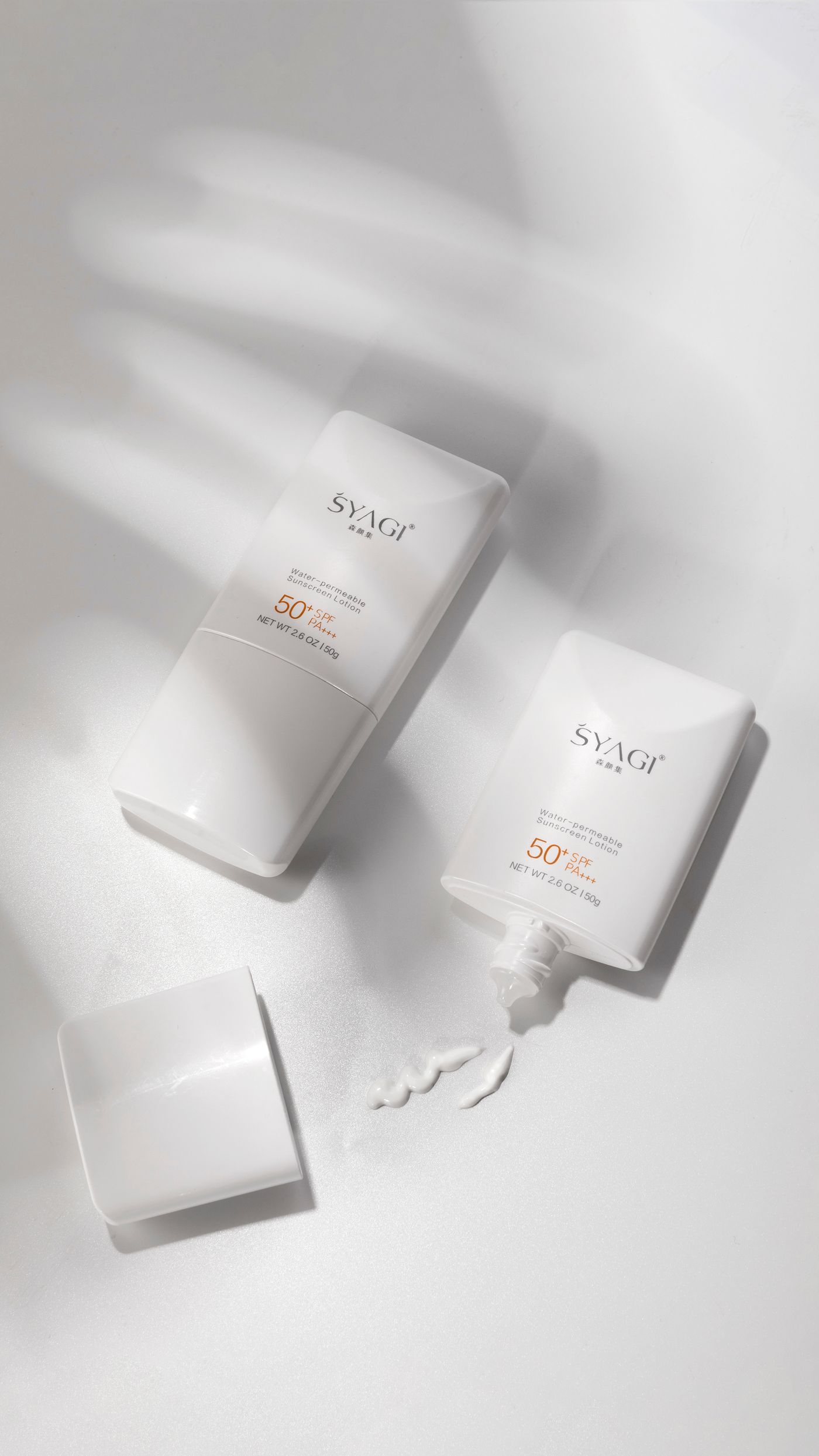
Checked August 17, 2026. This is a shopping and label-reading guide, not medical advice. Formulas and regulations change; read the package you actually receive.
The 5-point version check
| Check | Likely US-market version | Likely Korean/global version |
|---|---|---|
| Front label | “Broad Spectrum SPF” language | Often SPF plus PA rating |
| Back label | Drug Facts box | Cosmetic-style full ingredient list |
| Actives | Listed separately with percentages | May be embedded in the ingredient list |
| Seller | US retailer or brand's US store | Korean retailer or authorized global channel |
| SKU/barcode | Match to US brand listing | Match to Korean/global listing |
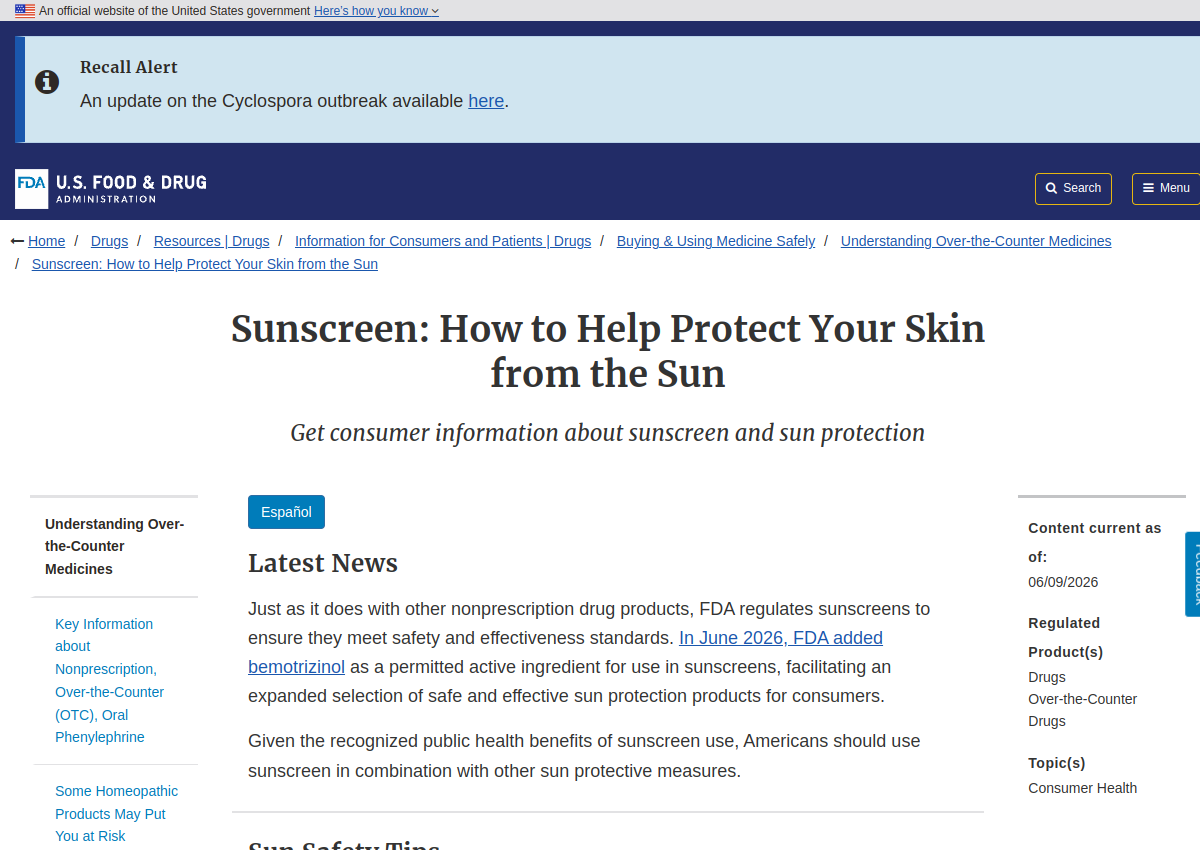
FDA sunscreen page captured August 17, 2026. Its latest-news section records the June 2026 bemotrizinol action.
Why one brand can have two formulas
In the United States, sunscreen is regulated as an over-the-counter drug. A company selling a US-market sunscreen must follow US labeling and ingredient rules. In Korea and many export markets, the product can sit under a different regulatory framework. The texture, filters, claims, size and even product name can therefore change while the packaging still looks familiar.
In June 2026, the FDA added bemotrizinol as a permitted sunscreen active ingredient. That does not mean every imported favorite instantly became the same in the US. Brands still decide whether and when to reformulate, test, manufacture and launch. Read the current label rather than relying on an old viral comparison.
How to identify the version before checkout
- Open the seller's ingredient image. If there is no readable back-label photo, ask for one.
- Look for Drug Facts. In a US listing, this is more reliable than bottle color or Korean characters.
- Compare the full product name and size. Similar names can conceal separate lines.
- Match the SKU or barcode against the brand's destination-specific official page.
- Save a screenshot of the listing. It helps if the delivered version differs from the advertised one.
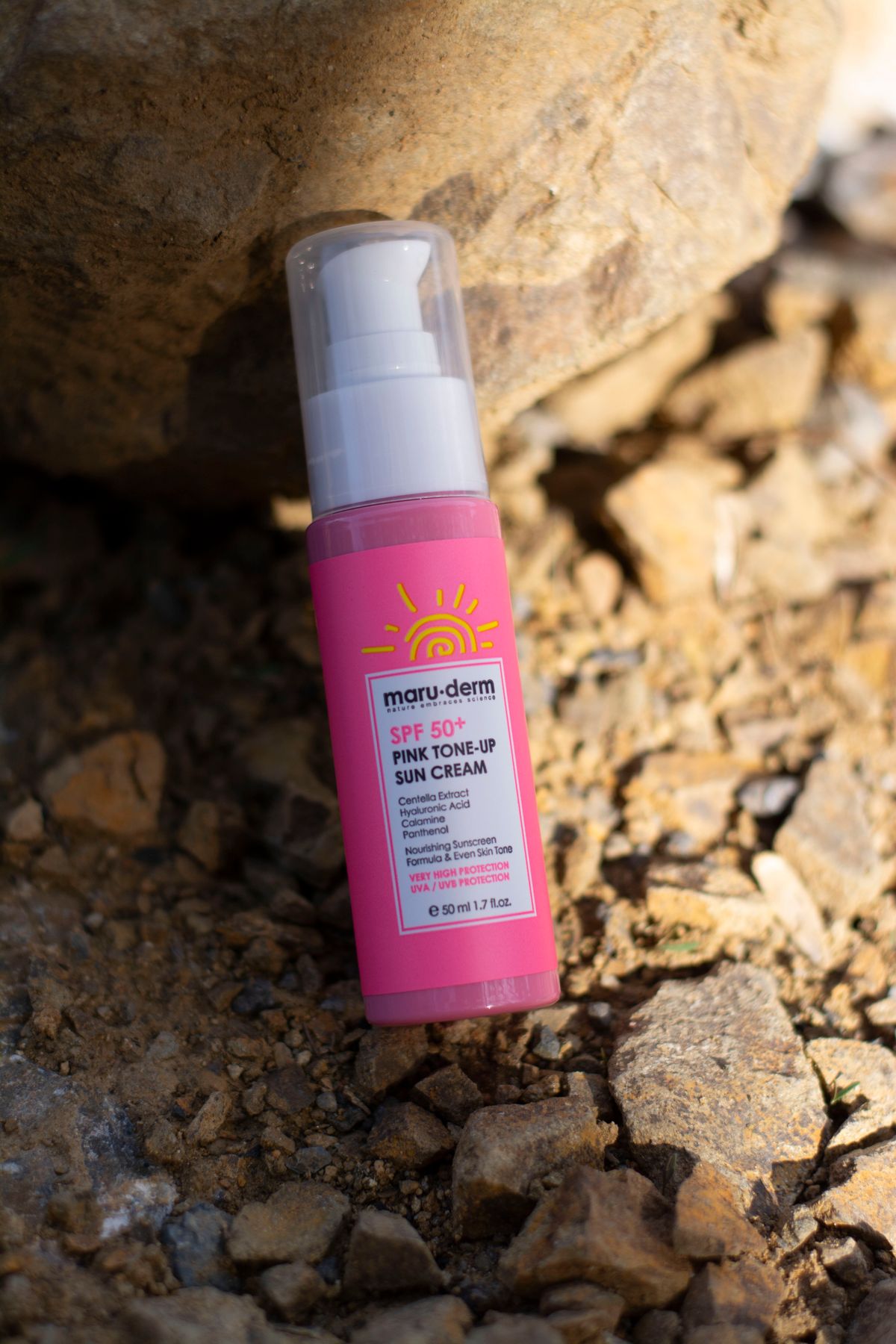
FDA guidance captured August 17, 2026. Check the labeling of foreign sunscreen products rather than assuming equivalence.
Where you buy matters
A marketplace title can combine reviews of multiple versions, and a third-party seller may change suppliers. The safest sequence is: brand's official destination-specific site, authorized retailer, then a marketplace seller with clear label photos and a return policy. If ordering from the new US OLIVE YOUNG site, first read our OLIVE YOUNG US vs Global guide.
Red flags
- The listing says “original Korean formula” but shows no ingredient label.
- Reviews describe two textures or two active-ingredient lists under one page.
- The price is dramatically below authorized retailers.
- The batch/expiry code is missing, altered or cannot be verified with the brand.
- The seller refuses to state the destination market or exact SKU.
FAQ
Does PA++++ automatically mean it is the Korean version?
No. It is a useful clue, not proof. Confirm the seller, Drug Facts status, full ingredients and SKU.
Does “Made in Korea” prove Korean-market formula?
No. A US-market product can be manufactured in Korea while using US-compliant labeling and a different formula.
Is a different US formula fake?
Not necessarily. It may be an official market-specific version. Counterfeiting is a separate question, which is why seller authorization and traceable labels matter.
Which version is better?
There is no universal answer. Choose a legitimate, properly labeled product suitable for your skin and intended use, and follow its directions. Ask a clinician about allergies or medical concerns.
Official source
FDA: Sunscreen—How to Help Protect Your Skin from the Sun


No comments:
Post a Comment